

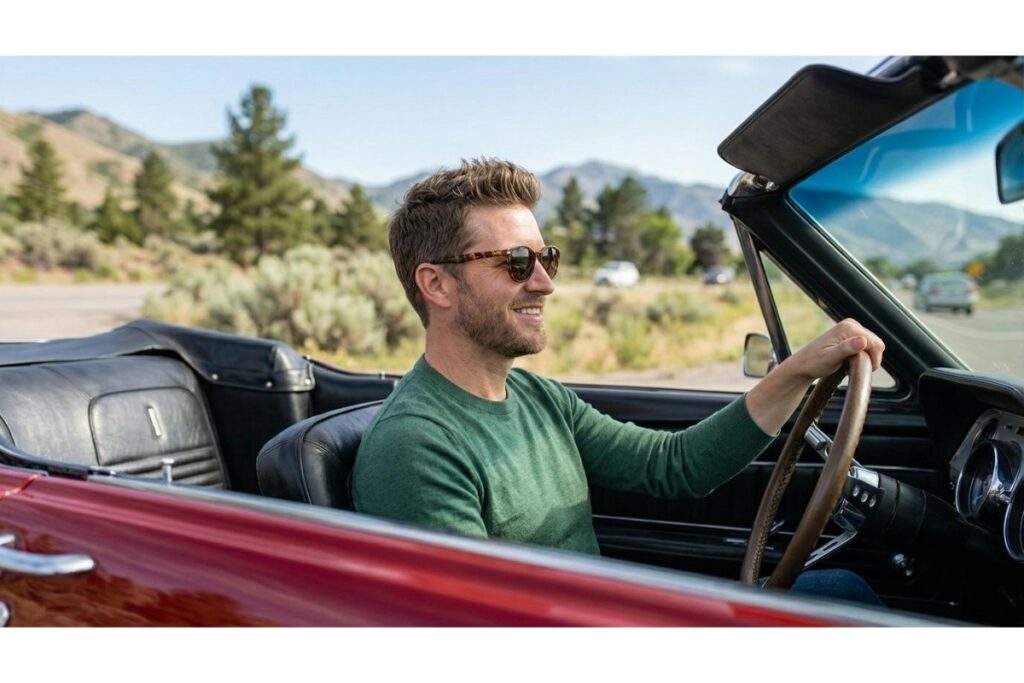
You pull into a canyon trailhead after a picture-perfect drive, take a sip of cold water, and reach for your sunglasses, only to end up squinting for half the hike. At Perry & Morgan EyeCare, we know that not all lenses handle Utah’s light the same way, and the right sunglasses matter more than you might think. You might be wondering what’s better: Polarized or mirrored lenses?
Polarized and mirrored are different lens features, not always completely separate categories. Some sunglasses can include both, but each feature solves a different problem: polarized lenses filter horizontal glare caused by reflected light, while mirrored lenses use a reflective coating to reflect some light away before it passes through the lens. The right pick depends on your favorite activities, your prescription, and the kind of light you deal with most.
How Utah’s Terrain Puts Your Eyes to the Test
Glare on the Road and Trail
Utah highways aren’t just long stretches of pavement: They’re giant mirrors in the right light conditions. Whether you’re cruising I-15 toward Perry or winding through Morgan County back roads, reflected sunlight bouncing off the asphalt can make driving genuinely uncomfortable. Snow-covered roads take that intensity to another level entirely.
On the trail, open terrain with few trees means your eyes rarely get a break from direct or reflected light. Even a short morning hike can leave you with tired, strained eyes by the time you’re back at the trailhead.
High-Altitude Sun Exposure
UV exposure can increase at higher elevations because there is less atmosphere filtering the sun’s rays. In northern Utah’s mountain conditions, proper UV protection matters for both comfort and long-term eye health.
UV exposure can contribute to long-term eye health risks, including cataracts. A comprehensive eye exam can help your optometrist monitor your eye health and look for changes over time.
Polarized Lenses and When They Can Work for You
On the Water and Snow
If you spend time fishing the Weber River or skiing Snowbasin, polarized lenses are worth serious consideration. They’re built to cut the kind of flat, reflective glare that bounces off water surfaces and fresh powder. That glare can hide obstacles, wipe out depth perception, and make your eyes feel like they’ve run a marathon by noon.
For snowmobiling across open terrain, polarized lenses can make a noticeable difference in how clearly you read the surface ahead. It’s all about less squinting and more control.
Behind the Wheel
Long drives through open desert or canyon country can generate serious dashboard glare. Polarized lenses help reduce reflected light from your hood and windshield, keeping your focus where it belongs. One thing to watch for, though, is that polarized lenses can sometimes interfere with LCD screens on digital instrument panels and GPS displays. If your vehicle runs a lot of digital displays, it’s worth testing before committing to a polarized pair as your everyday driving lens. Ask your optometrist to demo the lenses while you sit in your car.
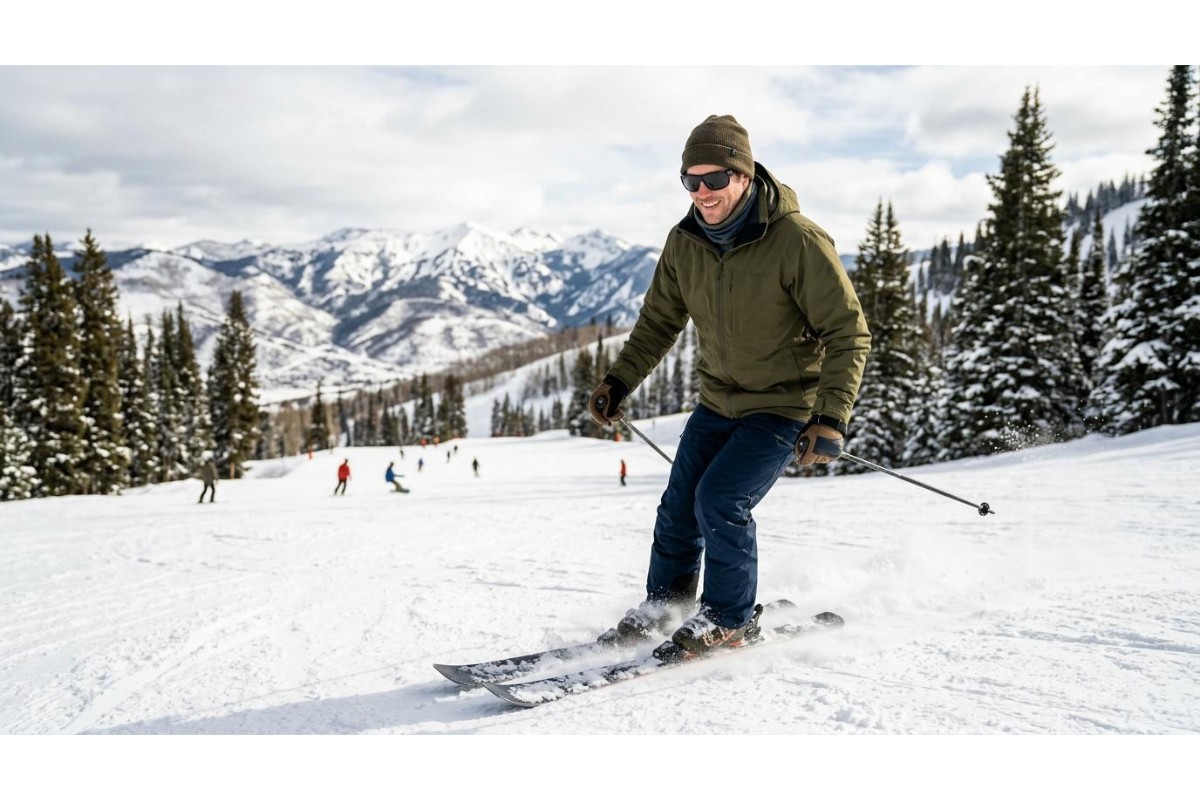
Mirrored Lenses and When They Can Work for You
Wide Open Spaces
Mirrored lenses handle intense, all-around brightness particularly well. Utah’s red rock desert, open canyon rims, and exposed ridgelines cast light on your eyes from multiple angles, and mirrored coatings are built for that kind of environment. Many mountain bikers and trail runners in the area reach for mirrored options because they hold up well when the light is harsh and fast-changing.
Unlike polarized lenses, mirrored options don’t interact with digital screens the same way, which can make them a smoother choice if you’re navigating with a phone or GPS device mid-activity.
Style Meets Function
Mirrored lenses come in a range of tints, from copper and gold to silver and blue. Each tint isn’t just an aesthetic choice: Different colors affect how much light reaches your eye and how contrast appears in varying conditions.
A rose or amber tint can sharpen contrast on overcast days, while darker mirrored coatings handle peak midday sun more comfortably. If you’re exploring frame and lens combinations, we include customizable designs that pair well with a variety of coatings and tints.
How to Pick the Right Lens for Your Lifestyle
The activity you do most often should drive your lens choice. A fly fisher and a canyon road cyclist have very different needs, even if they’re both chasing the same Utah sunshine. Start by thinking about where you spend the most time outdoors and what kind of light you’re dealing with in those settings.
Your Prescription Matters
Your prescription also shapes what’s possible. Not all lens coatings work equally well across every prescription type or frame style, and that’s where a conversation with a local eye doctor at Perry & Morgan EyeCare can help you narrow things down. Our team takes time to understand your lifestyle before pointing you toward a lens option that fits both your eyes and your routine.
Let’s Find Your Sunglasses Together
Whether you’re a weekend trail runner, a long-haul road trip driver, or someone who just wants to stop squinting through the windshield, the right lens is out there. Schedule a visit with Perry & Morgan EyeCar at one of our two locations, and let our team help you find sunglasses that fit your prescription, your outdoor routine, and wherever Utah takes you.